Tips for quality compliance in cross-border aviation supply chains. Insights from SKQC professionals.

Navigating Global Regulations: Quality Compliance in Cross-Border Supply Chains

Cross-border supply chains demand mastery of diverse regulations, from FAA to EASA. Missteps can lead to costly delays.

Expert view: „Harmonizing standards across regions is key to seamless operations“ (source: SKQC Expert Insights on Technical Documentation, February 2026).

Approaches:

  1. Map regulations to supplier capabilities.
  2. Conduct joint audits with international partners.
  3. Leverage tools for real-time compliance tracking.

Achieve global excellence without borders. Need help navigating cross-border compliance? Contact us via email at contact@skqc.org for expert guidance.

St. Patrick's Day: Don't Leave Supplier Quality to Luck

Don’t Leave Quality to Luck: St. Patrick’s Day Insights on Reliable Suppliers

St. Patrick’s Day celebrates luck, but in supplier quality, success comes from strategy, not chance. Avoid „rainbow chasing“ by focusing on verifiable processes.

„Robust audits eliminate luck from the equation,“ advises Dieter Gust (source: SKQC Discussion on Supply Chain Stability, January 2026).

Tips:

  • Conduct thorough background checks.
  • Use predictive analytics for supplier stability.
  • Foster long-term partnerships over quick wins.

Turn your supply chain into a pot of gold through diligence. For strategies to build luck-free supplier reliability, contact us via email at contact@skqc.org.

Precision in Quality Metrics

Precision Matters: Applying Pi Day Lessons to Quality Metrics in Aviation

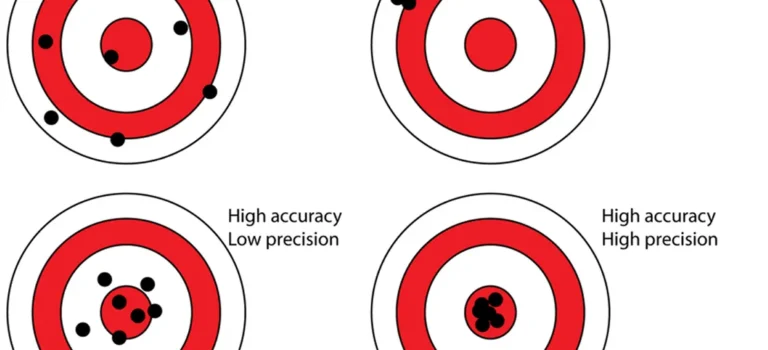
Pi Day reminds us of the beauty in precision—much like quality metrics in aviation. Infinite decimals mirror the endless pursuit of accuracy in supplier performance data.

„Metrics must be precise to avoid cascading errors,“ says Dieter Gust (source: SKQC Interview on Technical Standards, February 2026). In audits, use statistical tools to measure tolerances with pi-level detail.

Ideas to apply:

  • Calculate defect rates with advanced formulas.
  • Visualize data in pie charts for clarity.
  • Benchmark against industry pi-inspired standards.

Celebrate Pi Day by refining your quality processes for flawless results. Interested in precision training for your team? Contact us via email at contact@skqc.org to explore customized metrics solutions.

Quality Audit Tech, Supplier Digitalization

Digital Tools for Vendor Risk Assessment: Revolutionizing Quality Audits

The era of manual spreadsheets for vendor risk is over. Digital platforms are transforming how we assess and mitigate supplier issues in aviation. Tools like AI-driven analytics can predict disruptions with 85% accuracy, per industry benchmarks.

Dieter Gust explains: „Digital audits allow real-time data integration, spotting non-conformities before they escalate“ (source: SKQC Expert Interview, February 2026).

Implementation tips:

  1. Adopt cloud-based audit software.
  2. Integrate IoT for supplier monitoring.
  3. Train teams on data-driven decisions.

This tech-forward approach ensures proactive quality management, saving time and costs. Ready to upgrade your vendor assessments? Contact us via email at contact@skqc.org for a free consultation on digital tools tailored to your needs.

Empowering Women in Aviation Quality: Breaking Barriers for Better Supply Chains

On International Women’s Day, we celebrate the vital role women play in aviation quality management. From leading supplier audits to innovating compliance strategies, diverse teams drive stronger results. Research shows that gender-diverse organizations are 21% more likely to outperform peers in profitability (source: McKinsey & Company, „Diversity Wins“ Report, 2020).

In the SRQ aviation ecosystem, women like quality engineers at local firms are pioneering risk assessments that prevent disruptions. „Diversity brings fresh perspectives to vendor management,“ shares an anonymous expert in a SKQC panel discussion (source: SKQC Internal Insights, January 2026). A prime example is the active involvement at FACC AG, a leading aerospace composites manufacturer and former employer in the field, where programs like the FACC Women’s Network and #FACCWingsforWomen are empowering women in technical roles. Former colleagues from FACC have been particularly engaged in these initiatives, promoting gender equality through training and networking that support women in advancing to leadership positions in supplier quality and beyond. These efforts highlight how targeted programs can foster inclusion, drawing from real-world successes in the industry.

To foster inclusion:

  1. Mentor programs for women in STEM.
  2. Inclusive supplier selection criteria.
  3. Training on bias-free audits.

By empowering women, we build more robust, innovative supply chains. For personalized advice on implementing similar diversity strategies in your aviation quality operations, contact us via email at contact@skqc.org.

Green Supply Chain, Aviation Sustainability

Sustainability in Supplier Quality: Integrating Green Practices for Long-Term Compliance

In today’s aerospace industry, supplier quality isn’t just about meeting specs—it’s about building resilient, sustainable partnerships that align with global environmental standards. As regulations like the EU’s Green Deal and FAA sustainability guidelines tighten, OEMs must evaluate suppliers not only for performance but for eco-friendly practices.

Expert insights from industry leaders highlight the shift: „Sustainability audits reveal hidden risks in the supply chain, from carbon footprints to waste management,“ notes Dieter Gust in a recent interview with SKQC (source: SKQC Expert Interview Series, February 2026). By integrating green metrics into supplier evaluations, companies can reduce risks and enhance reputation.

Key steps include:

  1. Assessing supplier carbon emissions during audits.
  2. Prioritizing materials with recycled content.
  3. Implementing digital tracking for sustainability KPIs.

This approach not only ensures compliance but drives innovation, turning quality management into a competitive edge.

Contact us via email at contact@skqc.org for a free consultation on digital tools tailored to your needs.

Supplier Development

Why Supplier Development Beats Firefighting

Most companies react to supplier issues.
Very few develop their suppliers.

Firefighting feels productive.
Supplier Development creates results.

At SKQC, we focus on:
– root cause, not symptoms
– on-site capability, not spreadsheets
– sustainable improvement, not short-term fixes

Strong suppliers don’t happen by chance.
They are built.


——————————————————————————————————————-

Die meisten Unternehmen reagieren auf Lieferantenprobleme.
Nur wenige entwickeln ihre Lieferanten systematisch weiter.

Feuerwehraktionen fühlen sich produktiv an.
Supplier Development schafft echte Ergebnisse.

Bei SKQC liegt der Fokus auf Ursachen statt Symptomen, auf realer Umsetzungsfähigkeit statt Excel-Folien und auf nachhaltiger Verbesserung statt kurzfristiger Korrekturen.

Starke Lieferanten entstehen nicht zufällig.
Sie werden aufgebaut.

Supply Chain Management

Supplier Audits in 2026: Why “Check-the-Box” No Longer Works

Many supplier audits still focus on documentation.
2026 will expose how dangerous that approach is.

Real supplier audits must answer one question:
Can this supplier perform under pressure?

That means:
– process capability, not certificates
– on-site reality, not presentations
– risk exposure, not past performance

Audits are no longer about compliance.
They are about resilience.

————————————————————————————-


Viele Supplier Audits konzentrieren sich noch immer auf Dokumentation.
2026 wird zeigen, wie riskant dieser Ansatz ist.

Ein echtes Audit beantwortet nur eine Frage:
Kann dieser Lieferant unter Druck liefern?

Dafür zählen Prozesse, reale Umsetzung und tatsächliche Risiken – nicht Zertifikate oder PowerPoint-Folien.

Audits sind kein Compliance-Thema mehr.
Sie sind ein Resilienz-Instrument.

supplier quality audits

2026 Supply Chain Reality Check: Stable Suppliers Win

Global supply chains face unprecedented pressure – disruptions and costs make every weak supplier a risk. Supplier quality audits identify systemic issues before they become crises.

Hands-on supplier audits focus on practical shop-floor improvements, especially in regulated industries like aerospace where compliant suppliers are non-negotiable.

SKQC.org shows how targeted supplier quality audits cut non-conformities and end firefighting. Struggling with supplier issues? Connect via site