Quality Audit Tech, Supplier Digitalization

Digital Tools for Vendor Risk Assessment: Revolutionizing Quality Audits

The era of manual spreadsheets for vendor risk is over. Digital platforms are transforming how we assess and mitigate supplier issues in aviation. Tools like AI-driven analytics can predict disruptions with 85% accuracy, per industry benchmarks.

Dieter Gust explains: „Digital audits allow real-time data integration, spotting non-conformities before they escalate“ (source: SKQC Expert Interview, February 2026).

Implementation tips:

  1. Adopt cloud-based audit software.
  2. Integrate IoT for supplier monitoring.
  3. Train teams on data-driven decisions.

This tech-forward approach ensures proactive quality management, saving time and costs. Ready to upgrade your vendor assessments? Contact us via email at contact@skqc.org for a free consultation on digital tools tailored to your needs.

Empowering Women in Aviation Quality: Breaking Barriers for Better Supply Chains

On International Women’s Day, we celebrate the vital role women play in aviation quality management. From leading supplier audits to innovating compliance strategies, diverse teams drive stronger results. Research shows that gender-diverse organizations are 21% more likely to outperform peers in profitability (source: McKinsey & Company, „Diversity Wins“ Report, 2020).

In the SRQ aviation ecosystem, women like quality engineers at local firms are pioneering risk assessments that prevent disruptions. „Diversity brings fresh perspectives to vendor management,“ shares an anonymous expert in a SKQC panel discussion (source: SKQC Internal Insights, January 2026). A prime example is the active involvement at FACC AG, a leading aerospace composites manufacturer and former employer in the field, where programs like the FACC Women’s Network and #FACCWingsforWomen are empowering women in technical roles. Former colleagues from FACC have been particularly engaged in these initiatives, promoting gender equality through training and networking that support women in advancing to leadership positions in supplier quality and beyond. These efforts highlight how targeted programs can foster inclusion, drawing from real-world successes in the industry.

To foster inclusion:

  1. Mentor programs for women in STEM.
  2. Inclusive supplier selection criteria.
  3. Training on bias-free audits.

By empowering women, we build more robust, innovative supply chains. For personalized advice on implementing similar diversity strategies in your aviation quality operations, contact us via email at contact@skqc.org.

Green Supply Chain, Aviation Sustainability

Sustainability in Supplier Quality: Integrating Green Practices for Long-Term Compliance

In today’s aerospace industry, supplier quality isn’t just about meeting specs—it’s about building resilient, sustainable partnerships that align with global environmental standards. As regulations like the EU’s Green Deal and FAA sustainability guidelines tighten, OEMs must evaluate suppliers not only for performance but for eco-friendly practices.

Expert insights from industry leaders highlight the shift: „Sustainability audits reveal hidden risks in the supply chain, from carbon footprints to waste management,“ notes Dieter Gust in a recent interview with SKQC (source: SKQC Expert Interview Series, February 2026). By integrating green metrics into supplier evaluations, companies can reduce risks and enhance reputation.

Key steps include:

  1. Assessing supplier carbon emissions during audits.
  2. Prioritizing materials with recycled content.
  3. Implementing digital tracking for sustainability KPIs.

This approach not only ensures compliance but drives innovation, turning quality management into a competitive edge.

Contact us via email at contact@skqc.org for a free consultation on digital tools tailored to your needs.

SRQ Aviation

Vendor quality training: from firefighting to structured supplier audits

Many vendor quality and supplier quality teams operate in constant firefighting mode. They jump from one issue to the next – blocked parts, late deliveries, missing certificates – with very little time to work on root causes.

The turning point usually comes when the team builds real vendor quality skills: planning audits, asking the right questions on‑site, analysing performance data, and following up findings in a consistent way.

In an aviation context, this is even more important. EASA Part 21G/145, EN9100 or EN9120 do not only ask for procedures – they expect that people understand how to apply them when they are at a vendor’s site or reviewing vendor documentation.

Effective vendor quality training should help your team to:

  • Move from generic checklists to risk‑based audit programmes focused on what really matters.
  • Translate regulatory and standard requirements into simple, practical questions for suppliers.
  • Document findings in a way that supports follow‑up, corrective action, and future audits.

I support organisations by designing and delivering tailored vendor quality training – from remote sessions on audit basics up to hands‑on coaching during real supplier audits in aviation and other industries.

If you want your team to spend less time in reactive firefighting and more time on structured supplier improvement, feel free to reach out via skqc.org or contact me here on LinkedIn.

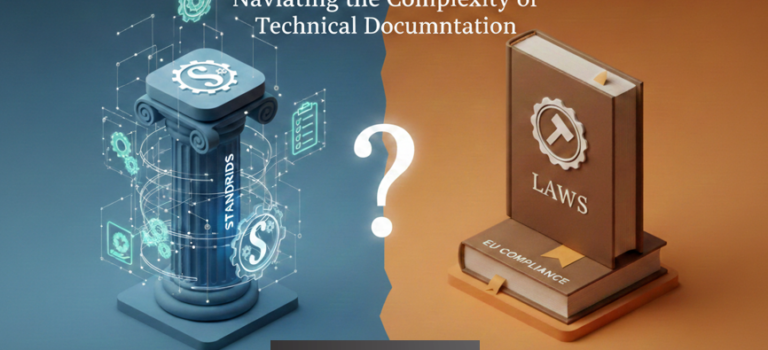
Standards vs Laws

Standards vs. Laws in Technical Documentation: Expert Insights

Navigating the complex world of Technical Documentation often leads to a fundamental question: What is the actual difference between a standard (Norm) and a law (Gesetz)?

In a recent, highly insightful interview, industry expert Dieter Gust clarified these nuances. At SK Quality Consulting (SKQC), we believe that understanding these differences is the foundation for any robust compliance strategy.

Key Takeaways from the Expert Discussion:

  • The „Presumption of Conformity“: While standards are technically voluntary, following harmonized European standards provides a „presumption of conformity“ with the law. This is your strongest legal shield.
  • Standards as the „State of the Art“: Laws define that a product must be safe; standards define how to achieve and document that safety according to the current state of technology.
  • Liability Protection: Correct application of standards is not just a „nice-to-have“—it is a critical component in mitigating liability risks for manufacturers.

Why this matters for your business: Compliance is not about checking boxes; it’s about strategic safety. By aligning your documentation with the right standards, you ensure global market access and legal peace of mind.

Inspired by the original interview with Dieter Gust (in German).

Source: This article was inspired by an interview with Dieter Gust. You can find the original German discussion on LinkedIn here: [Interview]

What the SRQ aviation ecosystem teaches us about vendor quality

What the SRQ aviation ecosystem teaches us about vendor quality

The Sarasota (SRQ) and Tampa Bay area is becoming a visible aviation hub. Many OEMs, MROs, FBOs, airport services, logistics providers, and specialist suppliers operate in a small radius.

Because of this concentration, vendor quality is not only about global sourcing. It is also about how well local partners work together every day. This includes maintenance slots, spare parts, documentation, logistics, and line support.

When you look at a regional cluster like SRQ, three vendor quality lessons become very clear:

  • First, strong local partnerships can reduce lead times and risk, but only if quality expectations and communication are transparent.
  • Second, even long‑term local suppliers need structured performance reviews and, when needed, formal audits. Personal relationships alone are not enough.
  • Third, airport infrastructure, MROs, FBOs, and logistics providers are part of your wider vendor landscape. They should be managed with the same discipline as component manufacturers.

However, these ideas only work if they are embedded in a simple and consistent vendor quality process. Clear criteria, regular reviews, and a mature way of handling issues and improvements stay essential, whether a vendor is across town or on another continent.

With SK Quality Consulting, I help organisations map their vendor landscape, define realistic quality requirements, and build a vendor management approach that works in the real world – for both international suppliers and local SRQ‑based partners.

If you are active in the SRQ or Tampa aviation ecosystem and want to strengthen your vendor quality, feel free to connect with me on LinkedIn or visit .skqc.org.


Vendor quality in aviation: more than a purchasing checkbox

Vendor quality in aviation: more than a purchasing checkbox

In aviation, vendor quality is never “just purchasing”. It is a core part of how you protect airworthiness and customer trust.

Too often, organisations still treat ISO 9001 or EN9100 requirements as paperwork instead of as a practical framework to select, monitor and develop their vendors.

From my experience in supplier quality and as Certifying Staff in a Part 21G production environment, the real value of a QMS appears when you connect the clauses to daily vendor decisions – audits, approval, escalation and, if necessary, phased exit.​

For aviation OEMs and maintenance providers, three simple questions make a big difference:

  • Do we have a clear, risk‑based process to approve and re‑approve vendors (not just a one‑time questionnaire)?
  • Do we systematically link vendor performance (quality escapes, documentation, on‑time delivery) to our internal risk register and audit plan?
  • Do we treat distributors and brokers with the same process discipline as direct manufacturers, especially regarding EN9120 and traceability?

If you recognise gaps here, it is not about blaming Purchasing. It is about building a joint vendor quality approach between Quality, Engineering and Supply Management – one that is simple enough to use and strong enough to satisfy ISO, EN and customer‑specific requirements.

At SK Quality Consulting, I support organisations that want to turn “vendor management” into a living part of their aviation QMS – from practical audit checklists to aligned procedures for vendor approval, monitoring and escalation.​

If this is relevant for your organisation, feel free to reach out via skqc.org or connect with me here on LinkedIn.

Supplier Development

Why Supplier Development Beats Firefighting

Most companies react to supplier issues.
Very few develop their suppliers.

Firefighting feels productive.
Supplier Development creates results.

At SKQC, we focus on:
– root cause, not symptoms
– on-site capability, not spreadsheets
– sustainable improvement, not short-term fixes

Strong suppliers don’t happen by chance.
They are built.


——————————————————————————————————————-

Die meisten Unternehmen reagieren auf Lieferantenprobleme.
Nur wenige entwickeln ihre Lieferanten systematisch weiter.

Feuerwehraktionen fühlen sich produktiv an.
Supplier Development schafft echte Ergebnisse.

Bei SKQC liegt der Fokus auf Ursachen statt Symptomen, auf realer Umsetzungsfähigkeit statt Excel-Folien und auf nachhaltiger Verbesserung statt kurzfristiger Korrekturen.

Starke Lieferanten entstehen nicht zufällig.
Sie werden aufgebaut.

Supply Chain Management

Supplier Audits in 2026: Why “Check-the-Box” No Longer Works

Many supplier audits still focus on documentation.
2026 will expose how dangerous that approach is.

Real supplier audits must answer one question:
Can this supplier perform under pressure?

That means:
– process capability, not certificates
– on-site reality, not presentations
– risk exposure, not past performance

Audits are no longer about compliance.
They are about resilience.

————————————————————————————-


Viele Supplier Audits konzentrieren sich noch immer auf Dokumentation.
2026 wird zeigen, wie riskant dieser Ansatz ist.

Ein echtes Audit beantwortet nur eine Frage:
Kann dieser Lieferant unter Druck liefern?

Dafür zählen Prozesse, reale Umsetzung und tatsächliche Risiken – nicht Zertifikate oder PowerPoint-Folien.

Audits sind kein Compliance-Thema mehr.
Sie sind ein Resilienz-Instrument.

SK Quality Consulting - Republic Day India 2026 - Supplier Quality Management

Excellence across Borders: Celebrating India’s Republic Day 🇮🇳

„Today, we extend our warmest wishes to our esteemed colleagues, partners, and friends in India as they celebrate their Republic Day.

At SK Quality Consulting (SKQC), we believe that world-class quality is built on a foundation of integrity and strong principles. India’s industrial growth and its commitment to global quality standards (ISO, AS9100) continue to inspire the international manufacturing community.

We are proud to collaborate with such skilled professionals who share our passion for Operational Excellence and Supplier Integrity.

May this day mark the beginning of another year filled with innovation and shared success. Happy Republic Day to the entire nation!“